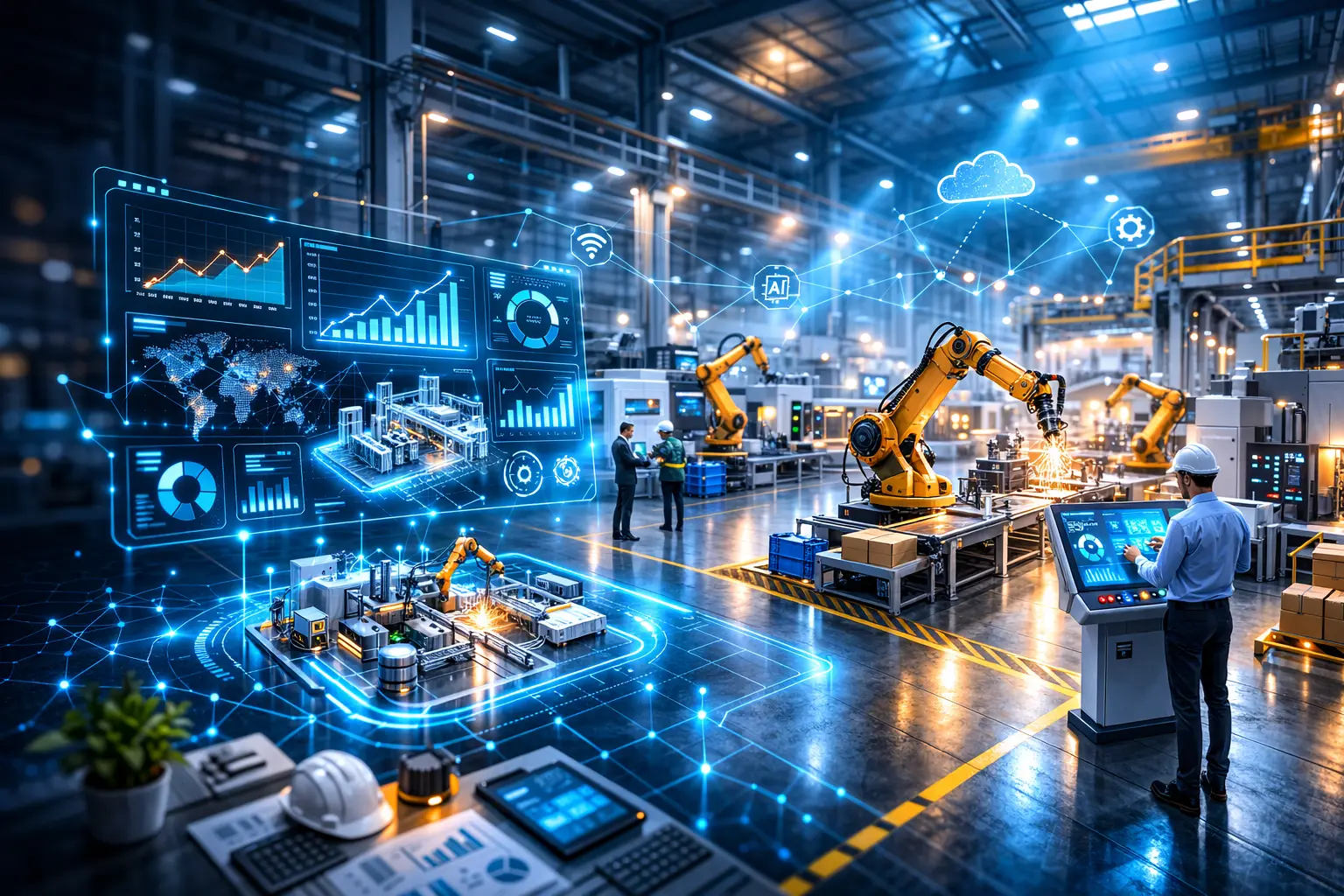
For years, MES platforms have been trusted systems of record. They capture transactions, enforce workflows, and provide the traceability manufacturers need to run compliant, repeatable operations. The next shift is already underway: AI is turning MES into a system of intelligence that can interpret signals, recommend actions, and help teams respond faster to change.
Turning data into direction
Manufacturing systems already generate enormous amounts of data, but many teams still spend too much time turning that information into decisions. AI helps close that gap by connecting context across production, quality, materials, and equipment events. Instead of asking teams to search dashboards for the cause of a problem, an AI-enabled MES can surface the likely drivers and present the next-best action.
This changes the role of MES from historical documentation to operational guidance. Supervisors can prioritize the issues that matter most. Engineers can identify emerging constraints earlier. Operators can receive recommendations that are grounded in real-time process conditions rather than static rules alone.
Smarter execution on the shop floor
AI also strengthens core execution flows. Scheduling can respond more intelligently to breakdowns and rush orders. Quality processes can highlight patterns before defects spread. Work instructions can become more adaptive, helping people make better decisions without adding unnecessary complexity to the operator experience.
That intelligence is most valuable when it is embedded directly into the workflows teams already use. Manufacturers do not need another isolated analytics tool. They need intelligence that lives inside the system where work is planned, executed, reviewed, and improved.
Building a practical path forward
The future MES will still need strong transactional discipline, robust integrations, and reliable traceability. AI does not replace those foundations; it amplifies them. At Athena, we believe the best results come from combining proven MES architecture with targeted AI accelerators that solve high-value operational problems first, then expand as trust and business impact grow.
