The semiconductor industry has always operated at the edge of complexity. Each technology cycle increases the pressure to innovate faster while controlling yield risk, cost, and time to market. That is why the next wave of innovation is being powered not just by better hardware, but by better digital capabilities behind the hardware.
Accelerating decisions with digital models
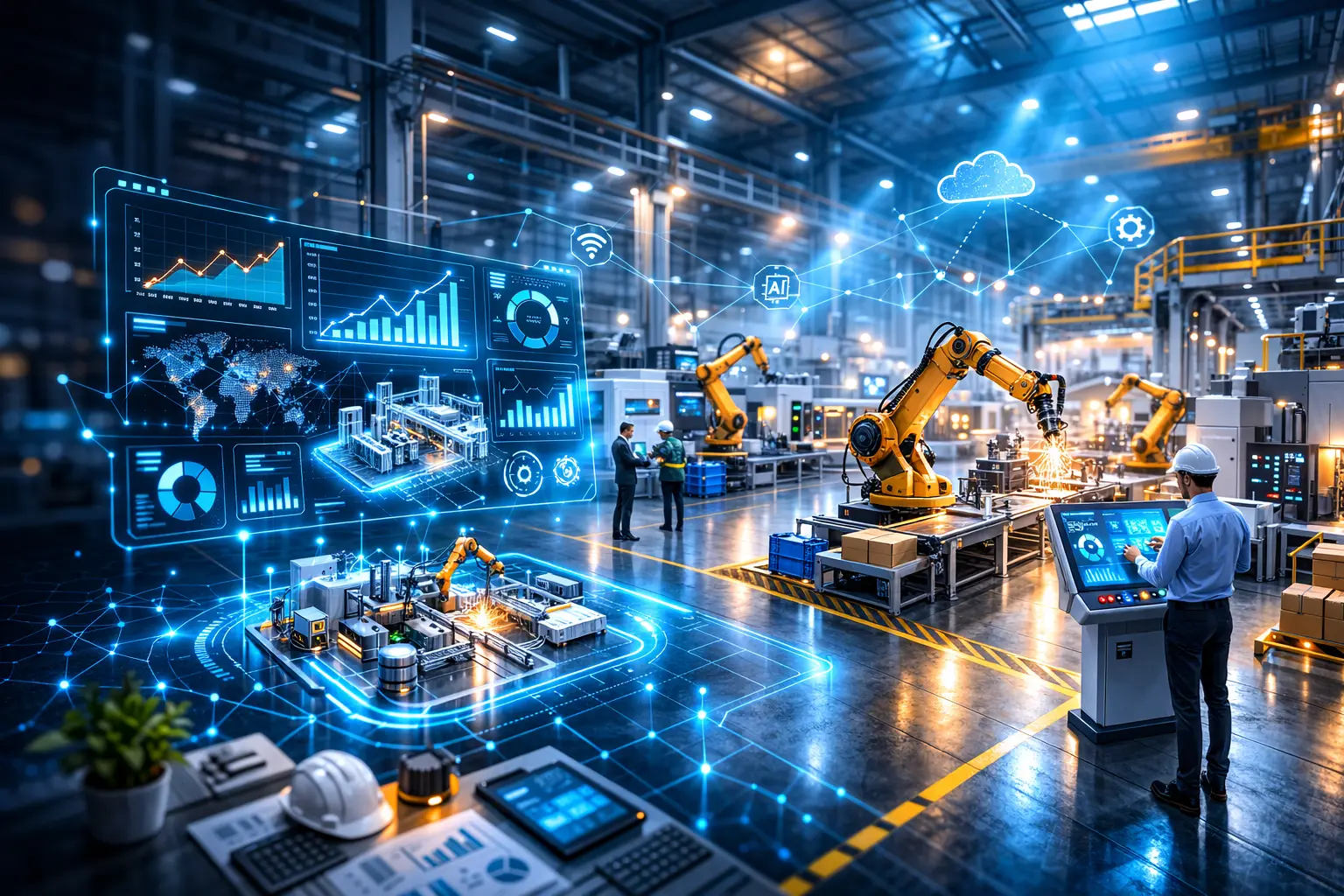
Virtualization and digital twins allow manufacturers to model systems, processes, and constraints before expensive real-world changes are made. That improves collaboration across design, engineering, and operations while reducing the cost of experimentation. Teams can test assumptions earlier, identify likely issues sooner, and move with greater confidence.
Machine learning adds another layer by helping teams uncover patterns that are difficult to see through conventional reporting. Whether the challenge is process drift, yield risk, maintenance behavior, or production optimization, learning systems can shorten the time between signal detection and informed action.
A compounding advantage
The most important effect is cumulative. Better models create better data. Better data improves decisions. Better decisions accelerate the next round of innovation. That spiral of improvement is becoming a strategic advantage for semiconductor organizations that want to scale complexity without losing control.
Athena views these capabilities as core enablers for modern semiconductor execution, especially when they are connected to the operational systems that run the factory every day.
