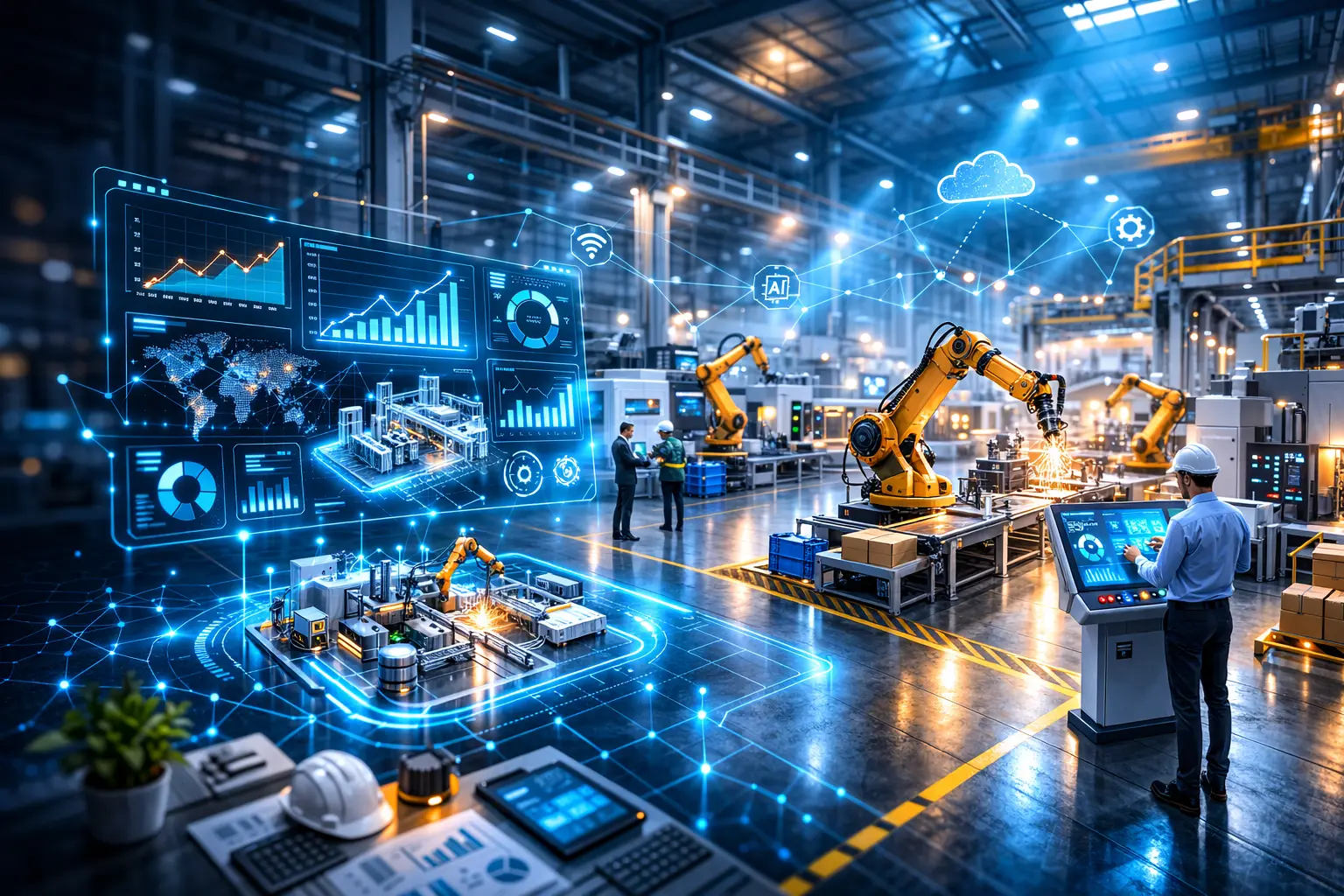
Digital transformation in manufacturing requires more than incremental software upgrades. It requires an operating platform that can connect design, planning, execution, and continuous improvement while still supporting real-world production constraints. That is the value proposition behind the Opcenter portfolio and the reason it continues to be central to many modernization programs.
Connecting impact to operations
One of the strongest messages from the Opcenter story is that digital transformation should lead to measurable outcomes. Manufacturers want better productivity, stronger quality, reduced environmental impact, and more manageable operating costs. When execution systems are well integrated, those results become easier to scale because decisions are informed by better data and more consistent processes.
Opcenter also supports a broader digital thread that connects upstream and downstream activities, helping organizations move beyond isolated point solutions. That matters for companies that want to improve not only what happens on the line, but how engineering, supply chain, and operations work together.
Prepared for the next phase of manufacturing
Modern manufacturers are also looking for deployment flexibility, stronger observability, and a path to cloud-aligned operating models. Solutions like Opcenter X point toward a future where manufacturers can access advanced execution capability with less infrastructure burden and greater scalability.
At Athena, we see this evolution as an opportunity to help customers turn transformation ambitions into practical outcomes. The right MES strategy, supported by the right partner and implementation roadmap, can create a more efficient, sustainable, and digitally connected manufacturing organization.
