Manufacturing Execution Systems have always been essential for connecting the shop floor with the business. They capture production activity, maintain traceability, and support compliance. In a fast-changing manufacturing environment, however, visibility alone is no longer enough. Teams also need systems that help them interpret signals quickly and act with confidence.
From record keeping to real-time guidance
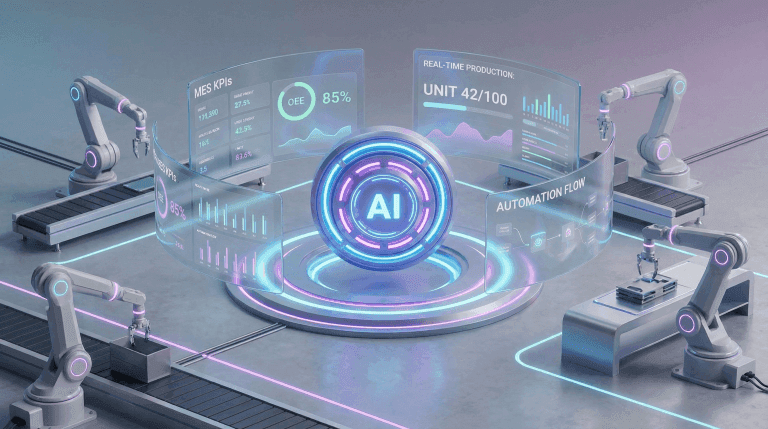
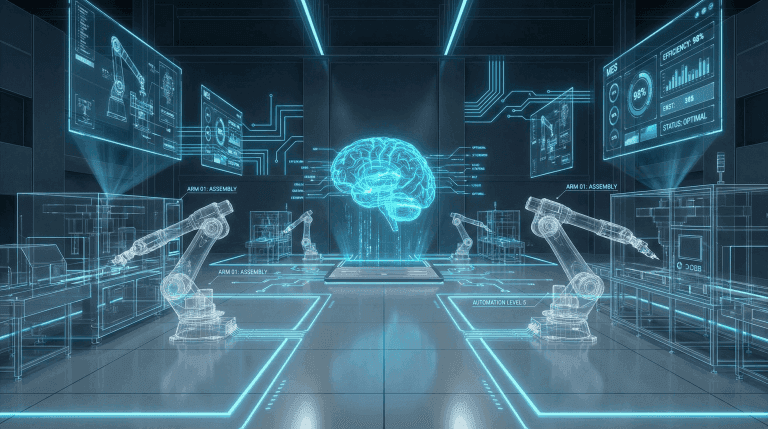
AI changes the role of MES by moving it from passive reporting toward active decision support. Rather than leaving engineers and supervisors to work through endless dashboards, AI can identify patterns, anticipate outcomes, and recommend next steps in real time. That means teams can resolve issues sooner and reduce the cost of reacting late.
Scheduling and quality with more foresight
Schedules are constantly affected by change, whether the source is equipment downtime, supply disruption, or urgent customer demand. AI-enabled MES helps rebalance plans as conditions shift so that production can stay aligned with cost, efficiency, and delivery priorities. The same idea applies to quality: instead of waiting for failures to appear, teams can use machine and process signals to detect quality risks earlier and respond upstream.
This creates a more resilient operating model. Waste is reduced, rework can be avoided, and customer commitments become easier to protect when issues are addressed before they spread.
Augmenting people, not replacing them
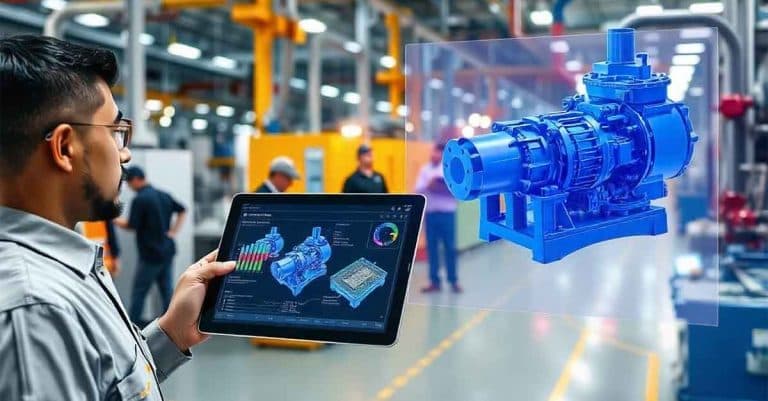
At Athena, we view AI as a practical accelerator for the workforce. Intelligent recommendations, guided workflows, and contextual insights help operators, planners, and engineers spend less time searching for answers and more time improving performance. The goal is not to remove human judgment, but to strengthen it with timely, actionable intelligence embedded directly into execution processes.
That is why we see AI not as an optional add-on to MES, but as the next stage in MES evolution. The manufacturers who adopt it thoughtfully will be better prepared to make faster decisions, absorb disruption, and scale improvement across their operations.